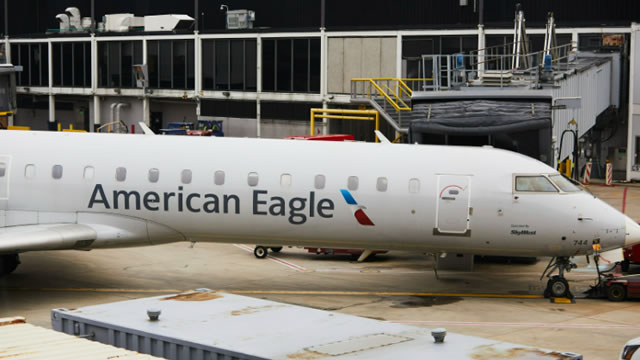
American Airlines (AAL) is currently trading at $15.06 on the NASDAQ, posting a modest single-day gain of 0.9% against a market capitalization of $10.0 billion. Volume is notably elevated at nearly 48.9 million shares, suggesting active market participation and heightened trader interest. As one of the largest network carriers in the world, AAL operates through nine major U.S. hubs and maintains international partner gateways in London, Madrid, Sydney, and Tokyo. This broad operational footprint gives the airline significant revenue diversification, though it also amplifies exposure to macroeconomic and geopolitical disruptions.
TrendEdge's AI model assigns AAL a score of 6 out of 10 — a moderate signal indicating neither a strong buy nor a clear sell. This mid-range score reflects a balance of competing forces: the airline's extensive hub network and fleet scale provide structural revenue support, while sector-specific headwinds including fuel cost sensitivity, debt load from post-pandemic recovery financing, and labor cost pressures weigh on the upside. The elevated trading volume relative to the stock's price point suggests the market is actively repricing near-term expectations, which the AI model interprets as a signal worth monitoring closely rather than acting on aggressively.
Looking ahead in 2026, key catalysts for AAL include summer travel demand trends, fuel price trajectory, and any progress on debt reduction — a long-standing structural concern for the airline. Investors should watch capacity guidance and yield management updates from management. On the risk side, any softening in consumer discretionary spending or a spike in jet fuel costs could pressure margins meaningfully. The 6/10 AI score suggests holding a watchful position rather than making a high-conviction directional bet at current levels.