Why Invest in Amazon?
Strong Business Segments
Amazon.com Inc operates through three core business segments — North America, International, and Amazon Web Services (AWS). The North America segment dominates retail sales, both online and through physical stores, driving substantial revenue from consumer products, subscription services, and advertising.
The international segment has seen rising global sales, particularly in Europe and Asia. As market conditions improve, analysts expect this region to deliver higher net income and operating profits.
Cloud Leadership through AWS
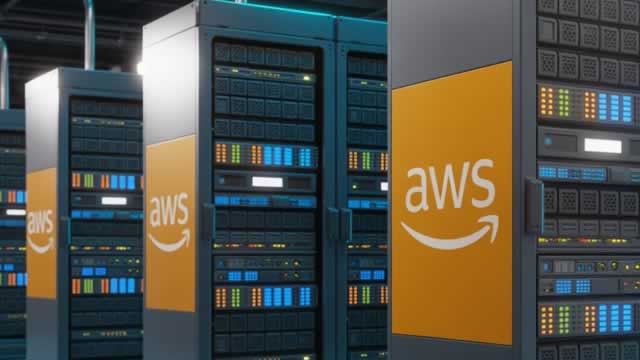
Amazon Web Services (often referred to as Amazon Web Services AWS) continues to outperform competitors in the cloud computing space. Despite growing cloud competition, AWS remains vital to Amazon’s stock valuation, contributing significantly to the company’s overall profit and cash flow. AWS serves government agencies, start-ups, and academic institutions, all of which rely on Amazon’s data centers to host secure and scalable infrastructure.
Advertising and E-Commerce
Amazon has leveraged its massive consumer base to expand advertising services, allowing sellers and brands to reach millions of shoppers directly. Its digital ad business now competes with giants like Meta Platforms, helping to lift overall operating profits.
On the e commerce front, Amazon’s ecosystem continues to attract customers with lowest prices, convenience, and Prime benefits. Online retail shopping services have positioned Amazon as a household name, and its retail sales remain a major revenue driver for the company.
Strong Earnings Performance
During the last quarter, Amazon.com Inc reported revenue of $143.3 billion, representing growth of nearly 13% year-over-year. Net income surged to $12.1 billion, up from $3.2 billion in the same period last year. Analysts note that amzn earnings easily exceeded estimates, driven by the recovery of retail margins and efficiency improvements across operations.
The analyst consensus among Wall Street analysts currently leans toward a strong buy, citing accelerating growth in AWS, international expansion, and advertising. According to Motley Fool, Amazon’s profitability trajectory continues to outpace expectations, reinforcing the company’s position as a market leader.
Price Targets and Forecasts
The average price target for AMZN stock is around $210, with some analysts setting price targets as high as $245 over the next year. The consensus rating remains a strong buy, supported by 46 of 50 analyst ratings recommending buy and fewer than five suggesting sell.
The stock forecast for 2026 suggests continued upside potential as Amazon’s growth across cloud and advertising accelerates. Multiple price targets have been revised upward following solid quarterly earnings and margin expansion.
Why Analysts Favor Amazon
Most Wall Street analysts maintain a buy rating or strong buy stance, pointing to healthy revenue momentum, consistent net income, and expanding market share. The average price target for 2025 remains close to $210, reflecting confidence in future earnings.
The Motley Fool and several major banks cite Amazon’s diversified portfolio, robust cash flow, and strong performance across business segments as reasons the company is well positioned for continued success.
Market Performance of AMZN
Amazon’s amzn stock continues to outperform many other stocks on the NASDAQ, supported by earnings growth and favorable analyst ratings. The current price reflects long-term investor confidence in Amazon’s operational excellence.
In comparison, peers like Meta Platforms and Alphabet have seen more volatility due to other factors, including regulatory challenges and slowing ad growth.
Long-Term Outlook
Analysts expect Amazon to maintain robust growth through expansion of Amazon Web Services, new consumer products, and investments in logistics. The amzn amazon ecosystem of other services such as Prime Video, Alexa, and advertising contributes to high recurring revenue.
Amazon investors anticipate further appreciation as the company continues to reinvest profits into data centers, automation, and new markets.